Physical Address
304 North Cardinal St.
Dorchester Center, MA 02124
Physical Address
304 North Cardinal St.
Dorchester Center, MA 02124

Stop downloading logos from random “free PNG” sites.
Most of them are stolen. Low-res. Watermarked. Sometimes outdated by three rebrands.
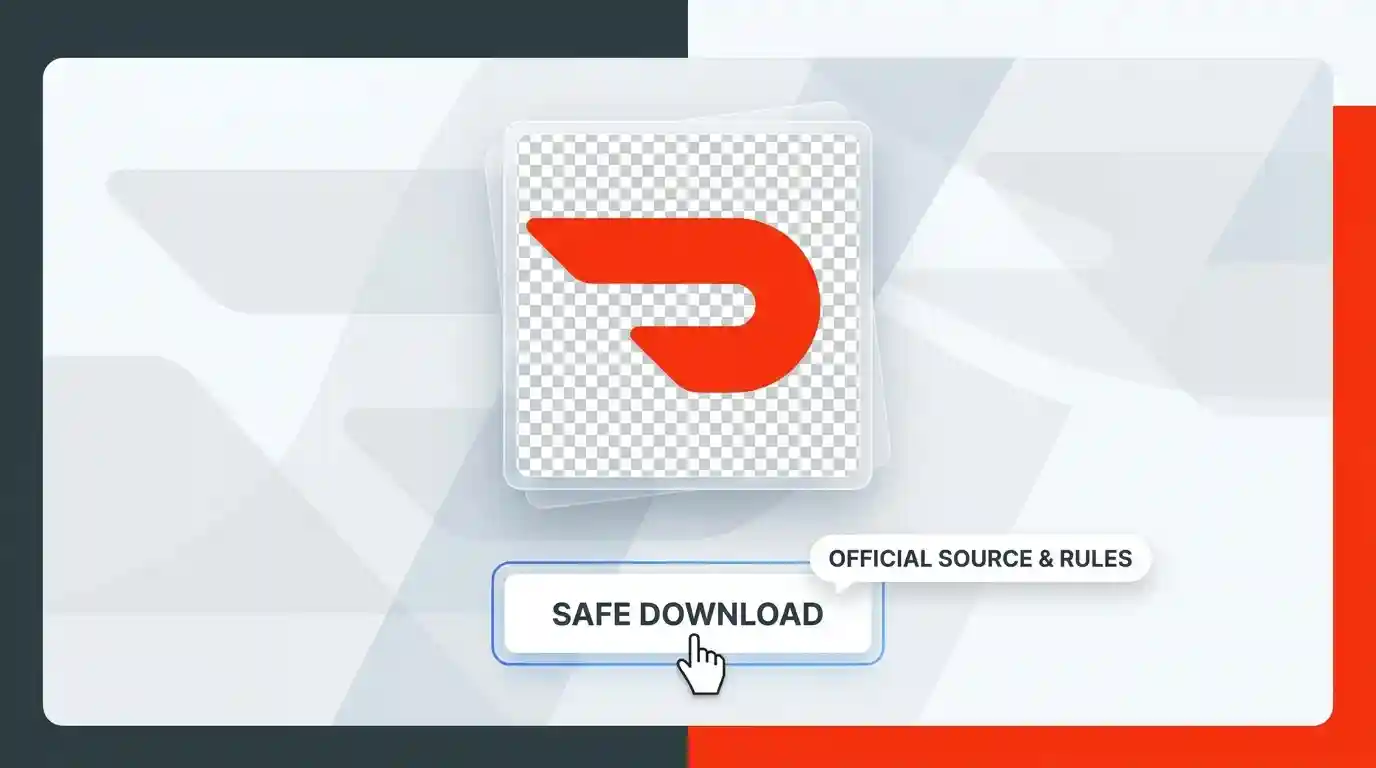
Here’s the thing about the Doordash logo: it’s a trademark, not a stock image. That changes where you should get it, and what you’re allowed to do with it once you have it.
Type “doordash logo transparent png” into Google and you’ll get a wall of icon-scraping sites. Some pulled the file from an old app update. Some ran it through a background remover that left fuzzy edges. None of them tell you if you’re actually allowed to use it.
Old way: grab whatever comes up first, hope it’s clean, hope it’s legal. New way: go straight to the source that controls the asset.
Doordash, like every public company, maintains a brand or press page with approved logo files. That’s the version that’s actually current, actually high-res, and actually sanctioned for press and partner use.
Two things happen when you use the official file instead of a scraped one:
That’s it. One search away, not fifty download-button clicks away.
Five minutes. Done.
Editorial use – a blog post about DoorDash, a news article, a comparison piece – is generally fine. That’s the whole point of a press kit existing. If you want the deeper legal footing behind why editorial and descriptive use is treated differently from commercial reuse, the USPTO’s trademark basics page is the actual source, not a blog summarizing it secondhand.
Bold move that gets people in trouble: using the logo to imply partnership, endorsement, or affiliation you don’t have. A “Doordash promo code” page slapping the logo next to your own branding? That’s not editorial use anymore. That’s trademark risk.
Here’s what nobody tells you upfront:
A transparent PNG is easy to grab. Permission to reuse it however you want is not automatic – that part doesn’t come with the file.
DoorDash didn’t license you their brand. They published assets for press and reference. Recoloring the logo, stretching it, dropping it into your own product mockup, or using it in ads that suggest a partnership – none of that is covered just because the file was “free to download.” If you’re the one designing a logo rather than reusing someone else’s, the same stretching-and-distortion mistake shows up constantly in AI-generated logos too – here’s why that happens and how to actually fix it.
And brand pages move. Links rot. The press page you bookmark today might redirect somewhere else in six months. If you’re citing this for a live project, re-check the source, don’t trust a screenshot from last year.
Skip the scraped PNG sites entirely. Go to Doordash’s own brand or press page, grab the current file, and read the two-line usage note before you publish anything with it.
The logo is free to look at. It’s not free to misuse.