Physical Address
304 North Cardinal St.
Dorchester Center, MA 02124
Physical Address
304 North Cardinal St.
Dorchester Center, MA 02124

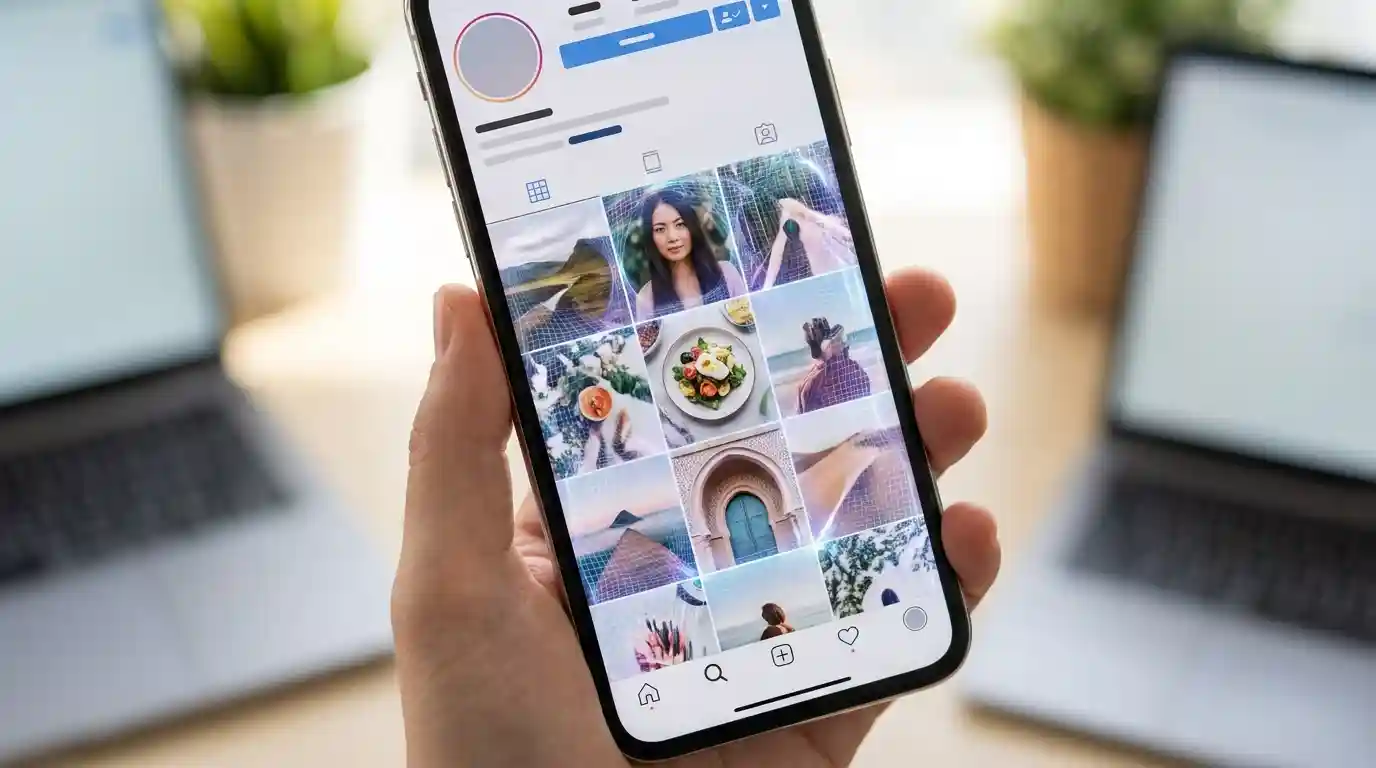
Meta just shipped an AI image tool that can edit photos of other people. Without asking them first.
It’s called Muse Image. Built by Meta Superintelligence Labs. Free, right now, inside the Meta AI app, Instagram Stories, and WhatsApp.
Here’s the part that should worry anyone who runs a brand account: if your Instagram is public, someone else can tag you and generate new AI images using your photos. You won’t get a notification. You just find out later – if you find out at all.
Most AI image tools work on a simple deal: you upload your own photo, you edit your own photo. Muse breaks that deal.
Tag a public Instagram profile, and Muse pulls that person’s real photos into a new AI-generated image. One promo demo showed a user dropping a secondhand couch into their garage using Muse.
Harmless enough. But the same mechanic works on a person’s face, their product shots, their logo photography – anything public.
One X user called it a privacy landmine waiting to detonate. Hard to argue with that.
You post product photos to build trust. Clean shots, consistent lighting, your logo visible in the corner. That’s the whole point of a brand feed.
Old way: your photos represent your brand, full stop. New way: anyone can remix them into something you never approved, and slap it back onto the platform where your customers scroll.
Think about what that means for a small logo or design studio. You post a before/after of a client rebrand. Someone tags your account, generates a “reimagined” version with Muse, and now there’s an AI-altered version of your work floating around – with your name still attached.
Ownership questions like this aren’t new to AI-generated design; it’s the same gray zone covered in why you cannot trademark most AI-generated logos – who controls the output once AI has touched it.
Not fake news. Not deepfakes in the political sense. Just… your content, no longer fully yours.
Meta’s policy line: people “may be able to create content with your Instagram content using AI features at Meta,” and you won’t be notified when it happens.
Meta also says users have control – there are settings to opt out of being used this way.
Old way of trusting a platform: assume defaults are safe. New way, at least with Muse: assume you’re opted in until you dig through settings and turn it off yourself.
That’s not a technical detail. That’s the whole feature.
To be fair, this isn’t only a privacy story. Muse also does normal AI-image things well:
For quick social content – memes, product mockups, casual posts – it’s a genuinely fast free tool.
Here’s the honest negative, because a tool review that only praises isn’t a review.
Muse’s tag-and-remix feature is bad news for anyone with a public brand account. Meta already paid a then-record $5 billion FTC fine in 2019 after Cambridge Analytica scraped user data without consent. This isn’t the same violation. But it’s the same category of problem: your content, used in ways you didn’t sign up for, by a company that has been burned for exactly this before.
If you run a logo or design business and your Instagram is public, that’s the risk. Not theoretical. Live, today, in an app most of your followers already have installed.
Two things, right now if you run a brand account:
First, check your Instagram privacy settings and look for the option to opt out of being used in others’ AI generations. Meta buried it, but it exists.
Second, before you touch Muse yourself for brand work, remember it’s built for casual remixing – not the kind of controlled, on-brand output a logo or product shot needs. For anything client-facing, a dedicated tool with proper commercial licensing is still the safer call.
Muse is fast. Muse is free. Muse is also the first AI image tool that treats your public photos as fair game for someone else’s prompt.
Know that before you post your next client reveal.